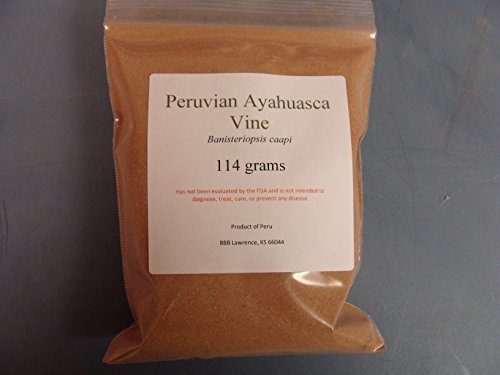


Peruvian Ayahuasca Vine Europe
Buy Peruvian Ayahuasca Vine Europe refers to preparations or botanical materials derived from Banisteriopsis caapi, a sacred vine traditionally used in Indigenous Amazonian ceremonial practices. Across Europe and internationally, interest in ayahuasca-related plants has grown within ethnobotanical, spiritual, and psychedelic research discussions.
This Peruvian Ayahuasca Vine Europe article explores:
- What Peruvian ayahuasca vine is
- Traditional and cultural background
- The role of Banisteriopsis caapi
- Scientific interest in ayahuasca research
- Safety considerations and risks
- Legal considerations in Europe
- Frequently asked questions
What Is Peruvian Ayahuasca Vine?
Peruvian ayahuasca vine generally refers to:
- Banisteriopsis caapi sourced from Peru or Amazonian regions
- Traditional vine material used in ayahuasca preparations
- Ethnobotanical botanical products connected to Amazonian traditions
Banisteriopsis caapi is a tropical vine native to the Amazon rainforest and is one of the primary components of traditional ayahuasca preparations.
Traditional and Cultural Background
Ayahuasca has been used for generations within Indigenous Amazonian spiritual and ceremonial traditions.
Traditional ceremonial use may involve:
- Ritual healing practices
- Spiritual exploration
- Community ceremonies
- Religious traditions
In Peru and other Amazonian regions, ayahuasca ceremonies are often conducted by experienced traditional practitioners within specific cultural frameworks.
The Role of Banisteriopsis caapi
Banisteriopsis caapi
This vine contains naturally occurring alkaloids including:
- Harmine
- Harmaline
- Tetrahydroharmine
These compounds are MAOIs (monoamine oxidase inhibitors), which influence neurotransmitter metabolism in the brain.
Banisteriopsis caapi is traditionally combined with other plants such as:
- Psychotria viridis
The combination allows DMT-containing plants to become orally active.
Ethnobotanical Interest in Europe
Across Europe, ayahuasca-related plants are discussed within:
- Ethnobotanical communities
- Psychedelic research discussions
- Botanical collection circles
- Spiritual and cultural exploration groups
Interest has grown alongside increased global attention toward psychedelic science and traditional Amazonian knowledge systems.
Scientific Interest in Ayahuasca Research
Researchers have studied ayahuasca and related compounds in areas such as:
- Neuropharmacology
- Consciousness research
- Mental health studies
- Brain receptor systems
Some clinical studies have explored psychedelics in controlled therapeutic settings, though:
- Research remains ongoing
- Results are still preliminary
- Long-term safety data is limited
Potential Effects Associated With Ayahuasca
Reported effects may include:
- Altered perception
- Intense emotional experiences
- Visual imagery or hallucinations
- Heightened introspection
- Nausea and vomiting
- Changes in sensory processing
Experiences can vary greatly depending on:
- Preparation strength
- Individual sensitivity
- Psychological state
- Environmental setting
Serious Health Risks
Ayahuasca-related preparations may carry significant risks.
Potential concerns include:
- Psychological distress
- Panic reactions
- Elevated heart rate
- Dangerous medication interactions
- Confusion or disorientation
- Psychosis-like reactions in vulnerable individuals
MAOI Interaction Risks
Because Banisteriopsis caapi contains MAOI alkaloids, combining it with certain substances can be dangerous.
Potentially risky interactions may involve:
- SSRIs and antidepressants
- Stimulants
- Certain psychiatric medications
- Other serotonergic substances
Serotonin syndrome and cardiovascular complications are serious medical concerns.
Mental Health Considerations
Psychedelic experiences may sometimes trigger:
- Anxiety
- Panic attacks
- Emotional instability
- Confusion
- Distressing psychological reactions
Individuals with underlying psychiatric conditions may face increased risk.
Public Health Concerns in Europe
European authorities monitor ayahuasca-related products because:
- Potency varies widely
- Product composition may be inconsistent
- DMT-containing preparations may be controlled
- Safety standards differ substantially
Unregulated preparations may carry additional risks related to contamination or inaccurate labeling.
Harm Reduction Awareness
Educational harm-reduction guidance commonly recommends:
- Avoid mixing MAOIs with medications or stimulants
- Understand psychological and cardiovascular risks
- Be cautious of unregulated botanical products
- Seek immediate medical help if severe symptoms occur
Emergency warning signs include:
- Chest pain
- Difficulty breathing
- Severe agitation
- Seizures
- Loss of consciousness
Legal Status in Europe
The legal status of ayahuasca-related materials varies significantly across Europe.
Depending on jurisdiction:
- DMT may be controlled
- Certain botanical materials may face restrictions
- Religious or ceremonial exemptions may differ
Laws vary considerably between countries.
Sustainability and Ethical Sourcing
As global interest in ayahuasca grows, sustainability concerns have increased regarding:
- Overharvesting
- Pressure on Amazonian ecosystems
- Ethical sourcing practices
Responsible conservation and respect for Indigenous traditions are important considerations.
FAQs
What is Peruvian ayahuasca vine?
It generally refers to Banisteriopsis caapi sourced from Peru or Amazonian regions.
What is Banisteriopsis caapi?
It is an Amazonian vine containing MAOI alkaloids such as harmine and harmaline.
What is ayahuasca traditionally used for?
Ayahuasca has historical ceremonial and spiritual significance within Indigenous Amazonian traditions.
Why are MAOI interactions dangerous?
MAOIs may interact dangerously with antidepressants, stimulants, and other medications.
Is psychedelic research ongoing?
Yes. Researchers continue studying psychedelics and mental health in controlled scientific settings.
Can ayahuasca cause psychological distress?
Yes. Some individuals may experience anxiety, panic, confusion, or intense emotional reactions.
Is ayahuasca legal in Europe?
Legal status varies widely by country and depends partly on DMT-related laws.
Why does potency vary?
Natural botanical preparations may differ significantly in alkaloid concentration and composition.
Why is sustainability important?
Responsible sourcing helps protect Amazonian ecosystems and traditional plant resources.
What should someone do during a medical emergency?
Seek immediate medical attention if severe symptoms occur, especially:
- Chest pain
- Difficulty breathing
- Seizures
- Loss of consciousness
Be the first to review “Peruvian Ayahuasca Vine Europe”
Related products
DMT For Sale Germany

DMT For Sale Germany
DMT For Sale Germany
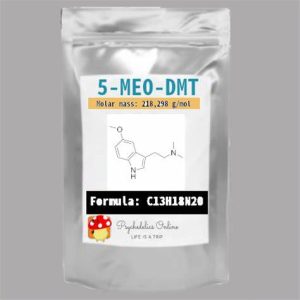
DMT For Sale Germany
DMT For Sale Germany
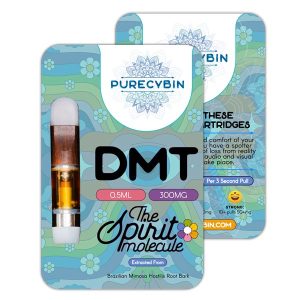
DMT For Sale Germany
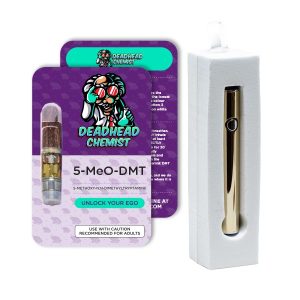
DMT For Sale Germany
Deadhead Chemist 5-Meo-DMT Germany (Cartridge and Battery) .5mL
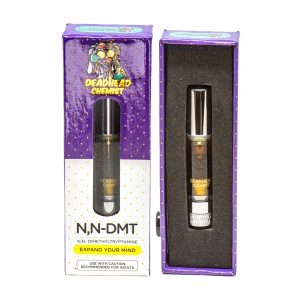
DMT For Sale Germany
Reviews
There are no reviews yet.