

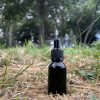

Buy Ayahuasca Tea Europe
Buy Ayahuasca Tea Europe is a traditional psychoactive botanical preparation originating from Indigenous Amazonian cultures. Across Europe and internationally, ayahuasca has gained increasing attention within discussions involving ethnobotany, psychedelic research, spirituality, and mental health studies.
Ayahuasca is commonly prepared using:
- Banisteriopsis caapi
- Psychotria viridis
This Ayahuasca Tea Europe article explores:
- What ayahuasca tea is
- Traditional and cultural significance
- Active compounds and how they work
- Scientific interest in psychedelic research
- Safety concerns and health risks
- Legal considerations in Europe
- Frequently asked questions
What Is Ayahuasca Tea Europe?
Ayahuasca tea is a psychoactive botanical brew traditionally used in parts of the Amazon Basin.
The preparation usually combines:
- Banisteriopsis caapi
- Psychotria viridis
The brew contains naturally occurring psychoactive compounds that can produce profound alterations in perception, consciousness, and emotional processing.
Traditional and Cultural Background
Ayahuasca has deep roots in Indigenous Amazonian ceremonial and spiritual traditions.
Historically, traditional uses have included:
- Spiritual ceremonies
- Ritual healing practices
- Community gatherings
- Religious and cultural rites
Ceremonial use often occurs under the guidance of experienced practitioners within specific cultural contexts.
The Role of Banisteriopsis caapi
Banisteriopsis caapi
This Amazonian vine contains naturally occurring alkaloids such as:
- Harmine
- Harmaline
- Tetrahydroharmine
These compounds act as MAOIs (monoamine oxidase inhibitors), allowing DMT to become orally active.
The Role of Chacruna
Psychotria viridis
Chacruna contains:
- DMT (N,N-Dimethyltryptamine)
DMT is a powerful psychedelic compound that affects serotonin receptors in the brain and may produce intense alterations in perception and consciousness.
How Ayahuasca Works
Ayahuasca’s effects depend on the interaction between:
- MAOI alkaloids from Banisteriopsis caapi
- DMT from chacruna
Without MAOIs, orally consumed DMT is normally broken down before becoming active.
This combination creates a prolonged psychoactive experience that can last several hours.
Scientific Interest in Psychedelic Research
Researchers have explored psychedelics in studies involving:
- Mental health research
- Depression and anxiety studies
- Neuroplasticity
- Consciousness and cognition research
Some preliminary studies have investigated psychedelic-assisted therapy in controlled clinical settings, though:
- Research remains ongoing
- Findings are still being evaluated
- More long-term studies are needed
Reported Effects of Ayahuasca
Reported effects may include:
- Altered perception
- Intense emotional experiences
- Visual imagery or hallucinations
- Changes in thought patterns
- Nausea and vomiting
- Heightened introspection
Experiences vary widely depending on:
- Preparation strength
- Individual sensitivity
- Environment and setting
- Psychological state
Serious Health Risks
Ayahuasca may carry significant physical and psychological risks.
Potential concerns include:
- Panic reactions
- Psychological distress
- Elevated blood pressure
- Increased heart rate
- Severe nausea and vomiting
- Dangerous drug interactions
Some individuals may experience overwhelming or destabilizing psychological effects.
Dangerous MAOI Interactions
Because Banisteriopsis caapi contains MAOIs, combining ayahuasca with certain substances can be dangerous.
Risky interactions may involve:
- SSRIs and antidepressants
- Stimulants
- Certain psychiatric medications
- Other serotonergic substances
These combinations may increase risk of:
- Serotonin syndrome
- Cardiovascular complications
- Severe neurological reactions
Mental Health Considerations
Psychedelic experiences can sometimes trigger:
- Anxiety
- Panic attacks
- Confusion
- Emotional instability
- Psychosis-like symptoms in vulnerable individuals
Individuals with certain mental health conditions may face increased risk.
Public Health Concerns in Europe
European authorities monitor ayahuasca-related products and ceremonies because:
- DMT is controlled in many jurisdictions
- Potency varies significantly
- Products may be unregulated or mislabeled
- Safety standards differ greatly
Medical screening and emergency preparedness are important considerations.
Harm Reduction Awareness
Educational harm-reduction guidance commonly recommends:
- Avoid mixing ayahuasca with medications or stimulants
- Be cautious of unregulated preparations
- Understand potential psychological and cardiovascular risks
- Seek immediate medical help if severe symptoms occur
Emergency warning signs include:
- Chest pain
- Difficulty breathing
- Severe agitation
- Seizures
- Loss of consciousness
Legal Status in Europe
The legal status of ayahuasca varies widely across Europe.
Depending on the country:
- DMT may be strictly controlled
- Certain plant materials may be restricted
- Religious exemptions may differ
Legal treatment varies significantly between jurisdictions.
FAQs
What is ayahuasca tea?
Ayahuasca tea is a traditional Amazonian psychoactive brew commonly made using Banisteriopsis caapi and Psychotria viridis.
What is DMT?
DMT (N,N-Dimethyltryptamine) is a powerful psychedelic compound naturally found in chacruna and other plants.
Why is Banisteriopsis caapi important?
It contains MAOI alkaloids that allow orally consumed DMT to become psychoactively active.
Why can ayahuasca interactions be dangerous?
MAOI compounds may interact dangerously with antidepressants, stimulants, and other medications.
Is psychedelic research ongoing?
Yes. Researchers continue studying psychedelics and mental health in controlled scientific settings.
Can ayahuasca cause psychological distress?
Yes. Some individuals may experience panic, anxiety, confusion, or overwhelming emotional reactions.
Is ayahuasca legal in Europe?
Legal status varies by country, especially because DMT is controlled in many jurisdictions.
Why does potency vary?
Natural botanical preparations can vary significantly in alkaloid concentration and composition.
What are common physical effects?
Reported effects may include nausea, vomiting, elevated heart rate, and altered perception.
What should someone do during a medical emergency?
Seek immediate medical attention if severe symptoms occur, especially:
- Chest pain
- Difficulty breathing
- Seizures
- Loss of consciousness
Be the first to review “Ayahuasca Tea Europe”
Related products
DMT For Sale Germany
DMT For Sale Germany
DMT For Sale Germany

DMT For Sale Germany
DMT For Sale Germany
DMT For Sale Germany

DMT For Sale Germany
DMT For Sale Germany
Reviews
There are no reviews yet.