
B+ Mushrooms in Germany: Effects, Research, Risks & Legal Status
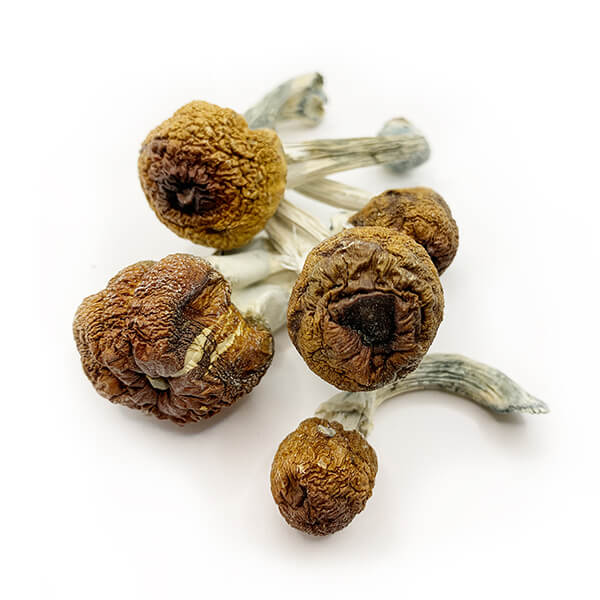
Interest in psychedelic fungi continues to grow across Europe, especially strains like B+ mushrooms germany, commonly associated with the species Psilocybe cubensis.
In Germany, discussions around psilocybin mushrooms are increasing due to developments in psychedelic research and mental health studies.
This guide provides a complete overview of B+ mushrooms, including effects, scientific insights, risks, and legal considerations.
What Are B+ Mushrooms?
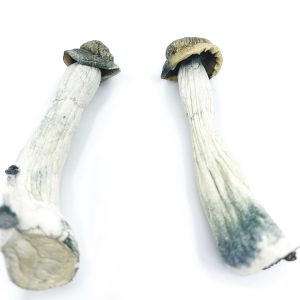
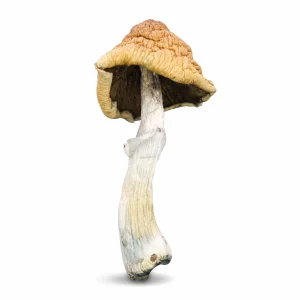
B+ mushrooms are a widely known strain of Psilocybe cubensis, often discussed for their:
- Moderate potency
- Large fruiting bodies
- Adaptability in different environments
Key Characteristics
- Species: Psilocybe cubensis
- Active compounds: Psilocybin and psilocin
- Reputation: Balanced and relatively consistent effects
It’s important to understand that strain names like “B+” are informal and do not guarantee consistent potency or experience.
How Psilocybin Works
Psilocybin converts into psilocin in the body, interacting with serotonin receptors in the brain.
Common Effects
- Altered perception of time and space
- Visual enhancements
- Emotional introspection
- Changes in mood and cognition
Research in neuroscience shows that psilocybin can temporarily alter brain connectivity, particularly in networks linked to self-awareness.
Scientific Research & Medical Interest
Leading institutions like Johns Hopkins University and Imperial College London are studying psilocybin in controlled environments.
Areas of Research
- Depression treatment
- Anxiety disorders
- PTSD
- Addiction therapy
While results are promising, these treatments are conducted under strict clinical supervision and are not approved for general use.
Legal Status in Germany
In Germany, psilocybin-containing mushrooms are classified under the Narcotics Act (BtMG).
Key Points
- Possession is illegal
- Sale and distribution are illegal
- Cultivation is prohibited
- Violations can result in fines or imprisonment
Only licensed research institutions can legally handle psilocybin.
Risks and Safety Considerations
Psychological Risks
- Anxiety or panic reactions
- Paranoia or confusion
- Triggering of underlying mental health conditions
Physical Effects
- Nausea
- Increased heart rate
- Loss of coordination
Additional Risks
- Unpredictable potency
- Misidentification of mushrooms (potentially toxic species)
Harm Reduction (Educational Context)
Public health discussions emphasize:
- Avoid mixing substances
- Avoid unsafe environments
- Be aware of mental health history
- Seek help if distress occurs
These are informational guidelines, not endorsements.
Cultural Background
Psychedelic mushrooms have historical use in traditional ceremonies, particularly in Central America. Today, interest is largely driven by scientific research and mental health discussions.
Legal Alternatives: Functional Mushrooms
For those seeking benefits without psychoactive effects, legal options include:
- Lion’s Mane
- Reishi
- Cordyceps
These are widely available in Germany under food and supplement regulations.
SEO Keywords to Target
b+ mushrooms germany, b plus mushroom strain germany, psilocybe cubensis b+ germany, magic mushrooms germany information, psilocybin mushrooms germany legal status, psychedelic mushrooms germany guide, b+ cubensis effects, psilocybin effects germany, magic mushrooms germany risks, psychedelic research germany psilocybin
FAQs
What are B+ mushrooms?
B+ mushrooms are a strain of Psilocybe cubensis known for moderate potency and balanced effects.
Are B+ mushrooms legal in Germany?
No. Psilocybin mushrooms are illegal under German law.
Are they used medically?
Only in controlled research settings.
Are B+ mushrooms stronger than other strains?
Potency varies; strain names do not guarantee strength.
What are legal alternatives?
Non-psychoactive mushrooms like Lion’s Mane and Reishi.
Final Thoughts
B+ mushrooms are frequently discussed in the context of psilocybin and modern research. While scientific interest is growing, legal restrictions and safety considerations in Germany remain strict.
Focusing on education, research, and legal awareness is the most responsible and effective way to engage with this topic.
| Quantity | 14 Grams, 28 Grams, 56 Grams |
|---|
Be the first to review “B+ Mushrooms Germany”
Related products
Magic Mushrooms Germany
Magic Mushrooms Germany
Magic Mushrooms Germany
Magic Mushrooms Germany
Magic Mushrooms Germany
Magic Mushrooms Germany
Magic Mushrooms Germany
Magic Mushrooms Germany
Reviews
There are no reviews yet.