
Buy Akuamma Seed Europe
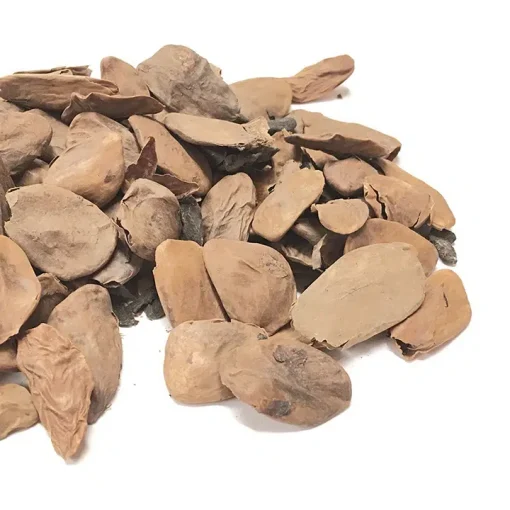
Buy Akuamma Seed Europe comes from the tropical West African tree Picralima nitida and has a long history of traditional use in parts of Africa. In recent years, akuamma has gained attention in ethnobotanical and herbal wellness discussions across Europe and internationally because of its naturally occurring alkaloids and traditional medicinal background.
This Akuamma Seed Europe article explores:
- What akuamma seed is
- Traditional uses and cultural background
- Naturally occurring alkaloids
- Scientific and ethnobotanical interest
- Safety considerations
- Legal considerations in Europe
- Frequently asked questions
What Is Akuamma Seed?
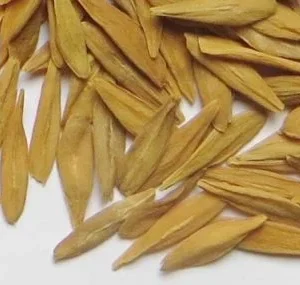
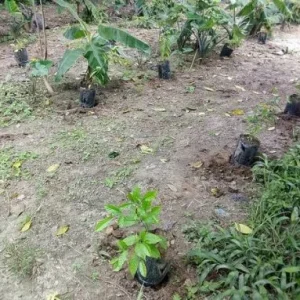
Akuamma seeds come from Picralima nitida, a tropical tree native to regions of West Africa including:
- Ghana
- Nigeria
- Ivory Coast
- Cameroon
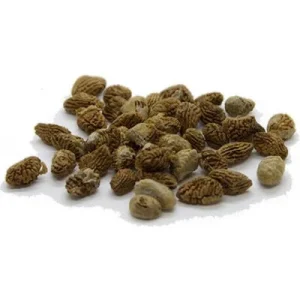
The seeds are contained inside the fruit of the tree and have traditionally been used in herbal and ethnobotanical practices.
Akuamma seeds naturally contain several alkaloids, including:
- Akuammine
- Akuammidine
- Pseudo-akuammigine
- Pericine
These compounds are of interest in pharmacological research due to their interaction with neurological systems.
Traditional Uses of Akuamma
Historically, akuamma seeds have been used in traditional West African herbal practices for various purposes.
Traditional applications have included:
- Herbal preparations
- Cultural medicinal practices
- Ethnobotanical remedies
Traditional use does not necessarily confirm safety or effectiveness, and scientific research remains ongoing.
Alkaloids Found in Akuamma Seeds
Akuamma seeds contain naturally occurring indole alkaloids that have attracted scientific interest.
Researchers have studied these alkaloids for their potential interactions with:
- Opioid receptors
- Nervous system pathways
- Pain-related mechanisms
However, research remains limited and many pharmacological questions are still being explored.
Ethnobotanical Interest in Europe
Across Europe, akuamma seeds are discussed in:
- Ethnobotanical communities
- Herbal research circles
- Natural product studies
- Botanical collection interests
Interest has increased alongside broader attention toward traditional African medicinal plants and alkaloid-containing botanicals.
Potential Effects and Considerations
Reports related to akuamma products may include:
- Relaxation effects
- Sedation or drowsiness
- Bitter taste characteristics
- Gastrointestinal discomfort in some individuals
Because alkaloid concentrations vary naturally, effects may differ between preparations.
Safety Considerations
Although akuamma is a natural botanical product, “natural” does not automatically mean risk-free.
Potential concerns may include:
- Sedation or drowsiness
- Interactions with medications
- Gastrointestinal discomfort
- Variable alkaloid potency
Research regarding long-term safety remains limited.
Why Botanical Potency Can Vary
Plant-based materials may differ significantly due to:
- Growing conditions
- Harvest timing
- Storage methods
- Processing techniques
- Natural alkaloid variation
This variability can make consistency difficult.
Scientific Research and Interest
Researchers continue studying akuamma alkaloids in relation to:
- Neuropharmacology
- Ethnobotany
- Natural product chemistry
- Receptor-binding mechanisms
However, many studies remain preliminary and further research is needed.
Public Health and Regulatory Considerations
Across Europe, botanical products may be subject to:
- Import regulations
- Herbal product standards
- Food supplement laws
- Country-specific restrictions
Legal treatment varies depending on jurisdiction and intended use.
Harm Reduction and Responsible Awareness
Educational guidance commonly recommends:
- Exercising caution with unfamiliar botanical products
- Understanding potential interactions with medications
- Being aware of sedative effects
- Seeking professional medical advice when appropriate
Emergency medical attention should be sought if severe symptoms occur, especially:
- Difficulty breathing
- Severe allergic reactions
- Loss of consciousness
- Chest pain
Sustainability and Botanical Sourcing
As global demand for ethnobotanical plants grows, sustainable harvesting practices become increasingly important.
Responsible sourcing may help reduce:
- Overharvesting
- Habitat pressure
- Environmental degradation
Conservation awareness is important for long-term ecological balance.
FAQs
What is akuamma seed?
Akuamma seed comes from Picralima nitida, a tropical tree native to West Africa.
What alkaloids are found in akuamma?
Akuamma seeds contain naturally occurring alkaloids such as:
- Akuammine
- Akuammidine
- Pseudo-akuammigine
Why are akuamma seeds discussed in ethnobotany?
They have a history of traditional use in West African herbal and cultural practices.
Is akuamma scientifically researched?
Yes. Researchers have studied its alkaloids and neuropharmacological properties, though research remains limited.
Can akuamma cause drowsiness?
Some reports mention sedative or relaxing effects associated with akuamma products.
Why does potency vary between seeds?
Natural botanical products can differ based on growing conditions, harvesting, and alkaloid concentration.
Is akuamma legal in Europe?
Legal status and regulations vary depending on country-specific laws and supplement regulations.
Can akuamma interact with medications?
Potential interactions are possible, especially with substances affecting the nervous system.
Why is sustainable sourcing important?
Responsible harvesting helps protect plant populations and ecosystems from overexploitation.
What should someone do during a medical emergency?
Seek immediate medical attention if severe symptoms occur, especially:
- Difficulty breathing
- Severe allergic reactions
- Chest pain
- Loss of consciousness
Be the first to review “Akuamma Seed Europe ”
Related products
Ibogaine Europe
Ibogaine Europe

Ibogaine Europe
Ibogaine Europe
Ibogaine Europe
Ibogaine Europe
Ibogaine Europe
Ibogaine Europe
Reviews
There are no reviews yet.