
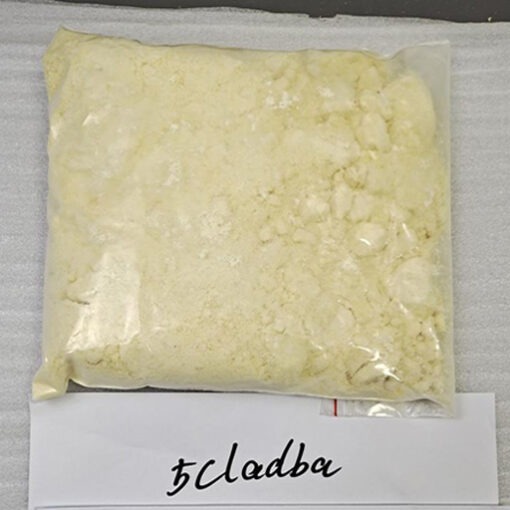
Buy 5CL-ADBA Europe – Synthetic Cannabinoid Europe
Buy 5CL-ADBA Europe is a synthetic cannabinoid compound associated with the broader category of new psychoactive substances (NPS). Across Europe, synthetic cannabinoids continue to be monitored by toxicology laboratories and public health agencies because of their unpredictable potency, rapidly evolving chemical structures, and links to serious medical emergencies.
This 5cl-Adba Europe article explains:
- What 5CL-ADBA is
- How synthetic cannabinoids work
- Risks associated with synthetic cannabinoid compounds
- Public health concerns in Europe
- Harm-reduction awareness
- Frequently asked questions
What Is 5CL-ADBA?
5CL-ADBA belongs to the class of compounds commonly known as:
- Synthetic cannabinoids
- SCRAs (Synthetic Cannabinoid Receptor Agonists)
- Designer cannabinoids
These compounds are chemically engineered to interact with cannabinoid receptors in the body, especially:
- CB1 receptors
- CB2 receptors
Unlike naturally occurring cannabinoids from cannabis plants, synthetic cannabinoids may produce much stronger and less predictable effects.
Order Synthetic Cannabinoids in Europe
European authorities continue identifying synthetic cannabinoids in:
- Herbal smoking blends
- Powders
- Vaping liquids
- Counterfeit products
One major concern is that many products sold in unregulated markets:
- Have inconsistent potency
- Contain unknown mixtures
- Are mislabeled
- Lack quality control
This unpredictability significantly increases health risks.
How Synthetic Cannabinoids Differ From Cannabis
Natural cannabis primarily contains:
- THC (tetrahydrocannabinol)
- CBD (cannabidiol)
Synthetic cannabinoids like 5CL-ADBA may:
- Bind more strongly to cannabinoid receptors
- Produce far more intense effects
- Trigger unpredictable reactions
- Carry greater overdose risk
Even very small amounts may lead to severe intoxication in some cases.
Reported Effects of Synthetic Cannabinoids
Effects vary depending on:
- Potency
- Purity
- Dose
- Other substances present
Reported effects may include:
- Sedation
- Dizziness
- Anxiety
- Confusion
- Rapid heartbeat
- Altered perception
Some individuals may also experience:
- Panic reactions
- Hallucinations
- Agitation
- Severe disorientation
Serious Health Risks
Synthetic cannabinoids have been associated with significant medical complications.
Potential risks include:
- Seizures
- Respiratory problems
- Loss of consciousness
- Cardiovascular complications
- Severe agitation
- Psychotic episodes
Because many synthetic cannabinoids are highly potent, reactions may occur unpredictably.
Why Synthetic Cannabinoids Are High Risk
1. Extreme Potency
Some synthetic cannabinoids are much stronger than THC.
2. Inconsistent Mixing
Powders and sprayed herbal materials may contain dangerously uneven concentrations.
3. Unknown Adulterants
Products may contain:
- Multiple synthetic cannabinoids
- Other psychoactive substances
- Toxic contaminants
4. Limited Human Research
Many newly identified compounds have:
- Minimal toxicology data
- No long-term safety studies
- Poorly understood health effects
Mental Health Concerns
Synthetic cannabinoids have been linked to:
- Severe anxiety
- Panic attacks
- Paranoia
- Hallucinations
- Acute psychosis
These reactions may sometimes require emergency medical intervention.
Public Health Concerns in Europe
Health agencies across Europe continue monitoring emerging synthetic cannabinoids because:
- New compounds appear rapidly
- Users often do not know what they are consuming
- Emergency departments report severe intoxications
- Products are frequently mislabeled
Drug monitoring programs help identify newly emerging substances and trends.
Harm Reduction Awareness
Educational harm-reduction organizations commonly recommend:
- Avoid unidentified powders or synthetic cannabinoid products
- Be cautious of counterfeit vaping liquids or herbal blends
- Never assume synthetic cannabinoids are safe alternatives to cannabis
- Seek medical attention immediately for severe reactions
Emergency warning signs include:
- Chest pain
- Difficulty breathing
- Seizures
- Severe confusion
- Loss of consciousness
Legal Status in Europe
Many synthetic cannabinoids, including compounds related to 5CL-ADBA, are controlled or regulated in European countries.
Depending on jurisdiction, laws may include:
- Controlled substance legislation
- Analogue laws
- Psychoactive substance regulations
Legal status varies by country and changes frequently.
Long-Term Concerns
Long-term effects of many synthetic cannabinoids remain poorly understood, but potential concerns may include:
- Mental health complications
- Cognitive impairment
- Cardiovascular stress
- Dependence or withdrawal symptoms
Ongoing scientific research is still limited for many newer compounds.
FAQs
What is 5CL-ADBA?
5CL-ADBA is a synthetic cannabinoid compound belonging to the class of synthetic cannabinoid receptor agonists (SCRAs).
Is 5CL-ADBA the same as cannabis?
No. Synthetic cannabinoids can be significantly more potent and unpredictable than natural cannabis.
Why are synthetic cannabinoids dangerous?
They may cause severe reactions, unpredictable potency effects, and serious medical emergencies.
Can synthetic cannabinoids cause psychosis?
Yes. Some synthetic cannabinoids have been associated with paranoia, hallucinations, and psychotic episodes.
Are synthetic cannabinoids legal in Europe?
Many are controlled or regulated, though legal status varies between countries.
Why are powders risky?
Powders may contain contaminants, multiple compounds, or uneven concentrations.
Can synthetic cannabinoids affect the heart?
Yes. Reported effects include rapid heartbeat, chest pain, and cardiovascular complications.
Are synthetic cannabinoids found in vape products?
Yes. Some counterfeit or unregulated vaping products may contain synthetic cannabinoids.
What should someone do during a severe reaction?
Seek immediate emergency medical attention if symptoms include:
- Seizures
- Breathing problems
- Severe confusion
- Loss of consciousness
Why is laboratory testing important?
Testing helps identify unknown compounds and contaminants that cannot be confirmed by appearance alone.
| Quantity | 500 grams, 1000 grams |
|---|
Be the first to review “5cl-Adba Europe”
Related products
Research Chemicals For Sale Germany

Research Chemicals For Sale Germany

Research Chemicals For Sale Germany
Research Chemicals For Sale Germany

Research Chemicals For Sale Germany
Research Chemicals For Sale Germany

Research Chemicals For Sale Germany
Research Chemicals For Sale Germany
Reviews
There are no reviews yet.