
Buy 2-MMC Powder Europe
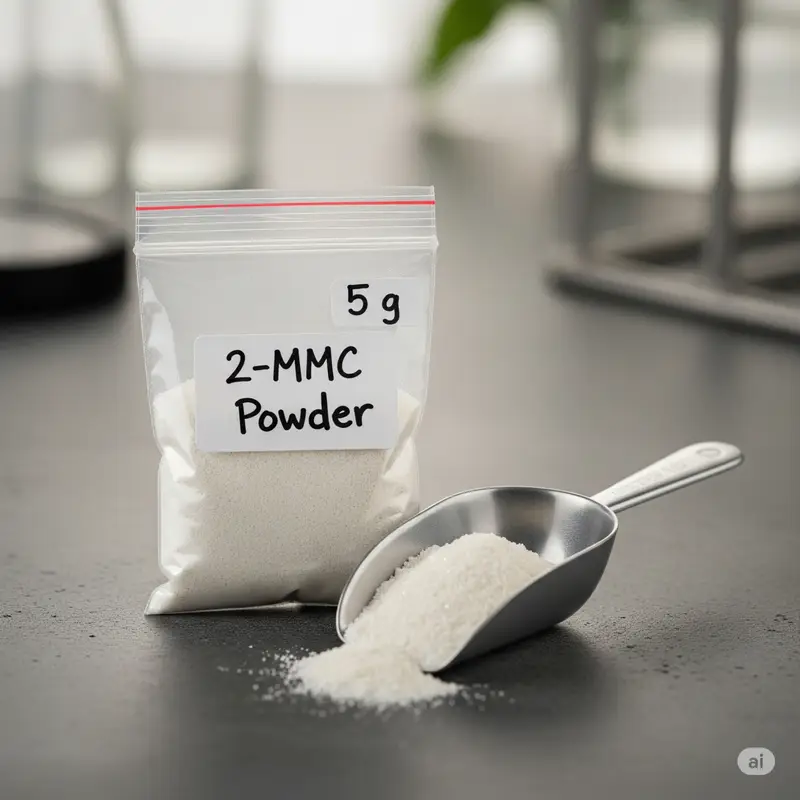
Buy 2-MMC Powder Europe. 2-MMC (2-Methylmethcathinone) is a synthetic cathinone and stimulant that belongs to the broader family of β-ketones. Known for its structural similarity to mephedrone (4-MMC), 2-MMC is primarily used in research settings to study its interaction with dopamine and serotonin systems, behavioral changes, and central nervous system stimulation.
What is 2-MMC?
2-Methylmethcathinone, or 2-MMC, is a novel psychoactive compound designed for scientific and analytical research. It differs from 3-MMC and 4-MMC in the placement of the methyl group on the phenyl ring, offering unique data points for comparative studies in the cathinone class.
-
IUPAC Name: 2-(Methylamino)-1-(2-methylphenyl)propan-1-one
-
CAS Number: 1246816-62-5
-
Molecular Formula: C11H15NO
-
Molecular Weight: 177.24 g/mol
-
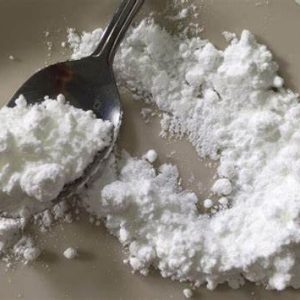
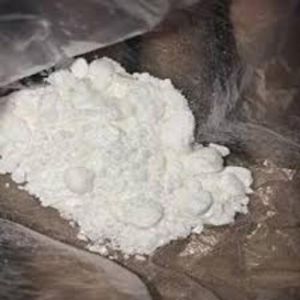
Appearance: White to off-white crystalline powder
-
Purity: ≥98% (HPLC-tested)
Key Features
-
Structurally similar to 3-MMC and mephedrone
-
Ideal for CNS stimulant and neurotransmitter studies
-
Lab-tested for >98% purity
-
Shipped globally in discreet, secure packaging
-
Long shelf-life under proper storage conditions
Applications
-
Psychostimulant receptor interaction studies
-
Comparative analysis with other substituted cathinones
-
Toxicology screening
-
Forensic research purposes only
⚠️ Disclaimer: This product is not for human consumption. For laboratory and scientific use onlyby qualified individuals or institutions.
Storage Guidelines
-
Store in airtight container at or below 0°C
-
Keep away from direct sunlight, moisture, and air
-
Shelf life: 24 months under ideal storage conditions
Order 2-MMC Powder Europe
2-MMC Powder for sale in europe, also known as 2-Methylmethcathinone, is a synthetic cathinone compound belonging to the broader β-ketone family. Structurally related to compounds such as mephedrone (4-MMC) and 3-MMC, 2-MMC is primarily referenced in scientific, analytical, and forensic research environments studying neurotransmitter interaction, psychostimulant activity, and structure-activity relationships.
| Quantity | 5 grams, 10 grams, 50 grams, 100 grams |
|---|
Be the first to review “2-MMC Powder Europe”
Related products
Research Chemicals For Sale Germany
Research Chemicals For Sale Germany
Research Chemicals For Sale Germany
Research Chemicals For Sale Germany
Research Chemicals For Sale Germany
Research Chemicals For Sale Germany
Research Chemicals For Sale Germany
Research Chemicals For Sale Germany
Reviews
There are no reviews yet.