
Buy Malabar Mushrooms Germany – History, Origin, and Effects
Buy Malabar Mushrooms Germany. Before exploring the Malabar strain, it’s important to understand the long history of psychoactive mushrooms in human culture. Evidence of early psychedelic mushroom use dates back to around 1500 BC in ancient India, documented in the Vedic texts. These sacred writings describe a mysterious substance called “Soma,” believed by some historians to have been inspired by naturally occurring psychoactive fungi.
Today, discussions around strains like Malabar mushrooms are often linked to this ancient heritage, although their true origin is more modern and associated with the Malabar Coast region of India.
Origins of the Malabar Strain
The Malabar strain is believed to originate from the tropical Malabar Coast, where warm, humid conditions support the growth of various Psilocybe cubensis varieties. Some cultivation legends suggest early development on nutrient-rich dung environments, which is common for many cubensis strains.
In Germany, interest in psychedelic mushroom history is mostly academic and cultural, focusing on ethnobotany, anthropology, and natural science rather than commercial use.
Appearance and Characteristics
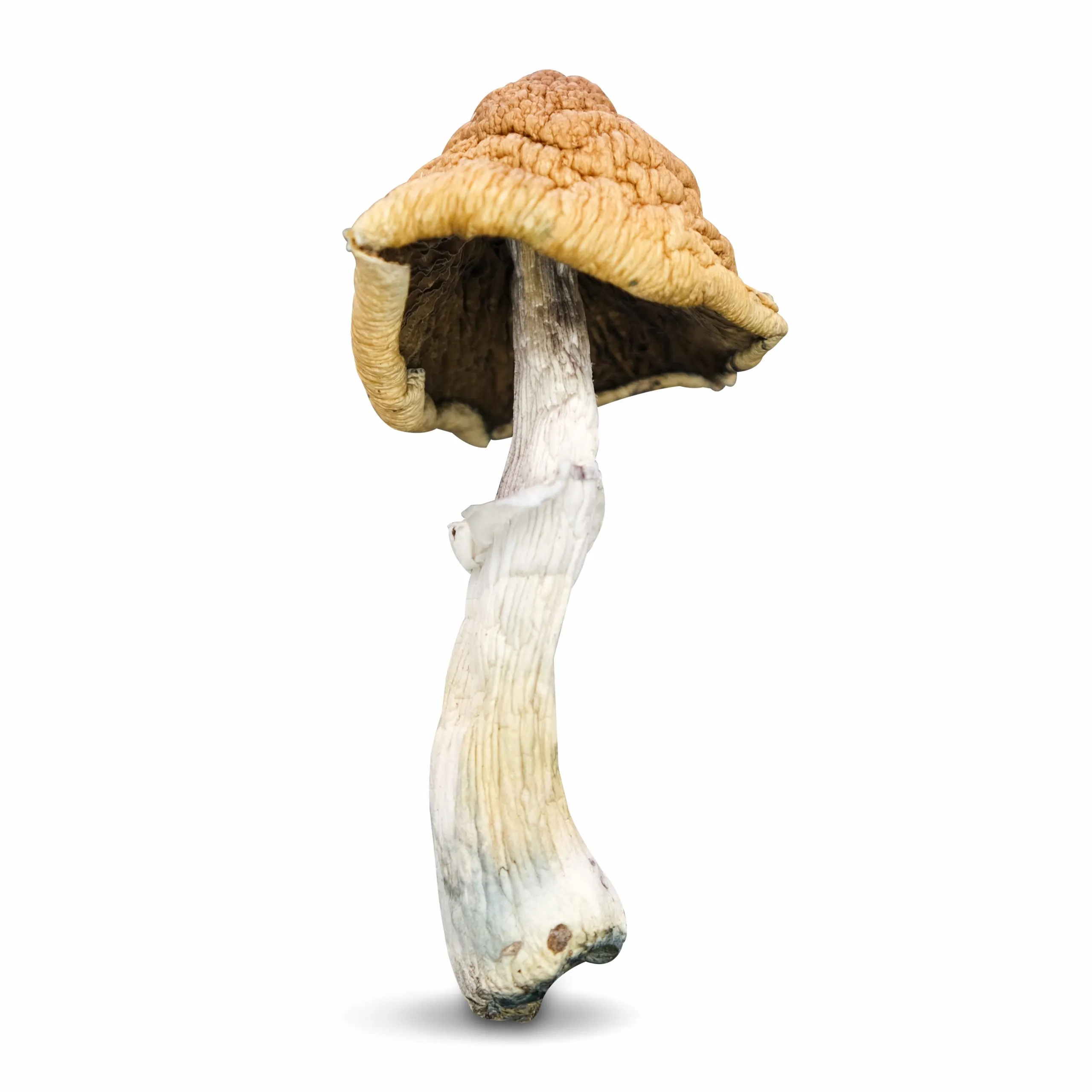
Malabar mushrooms are known for:
- Thick, dense stems
- Relatively smaller caps
- Occasional blue bruising when handled
- A veil structure that may disappear after drying
The blue coloration is a natural reaction caused by oxidation in the mushroom’s compounds and does not indicate spoilage.
Cultural and Historical Context
Across cultures, psychoactive mushrooms have been associated with spiritual rituals, altered states of consciousness, and philosophical exploration. However, modern scientific understanding emphasizes careful study of their chemistry and effects rather than recreational use.
In Germany, discussions around such substances are typically framed within research, psychology, and legal frameworks rather than consumer use.
Effects (General, Non-Instructional Overview)
Reported effects in scientific literature and historical accounts include:
- Changes in sensory perception
- Altered sense of time
- Emotional amplification
- Introspective or dream-like experiences
Effects vary widely depending on individual physiology, environment, and context.
| Quantity | 14 Grams, 28 Grams, 56 Grams |
|---|
Be the first to review “Malabar Mushrooms Germany”
Related products
Magic Mushrooms Germany
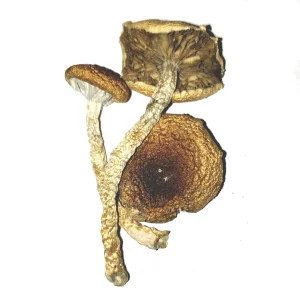
Magic Mushrooms Germany
Magic Mushrooms Germany
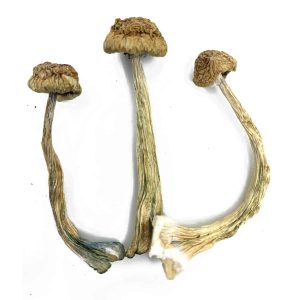
Magic Mushrooms Germany
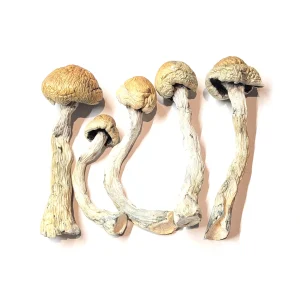
Magic Mushrooms Germany
Magic Mushrooms Germany
Magic Mushrooms Germany
Magic Mushrooms Germany
Reviews
There are no reviews yet.