Buy Amazonian Magic Mushrooms Germany: An Educational Guide (Effects, Risks, Research & Legal Context)
What Are “Amazonian” Magic Mushrooms?
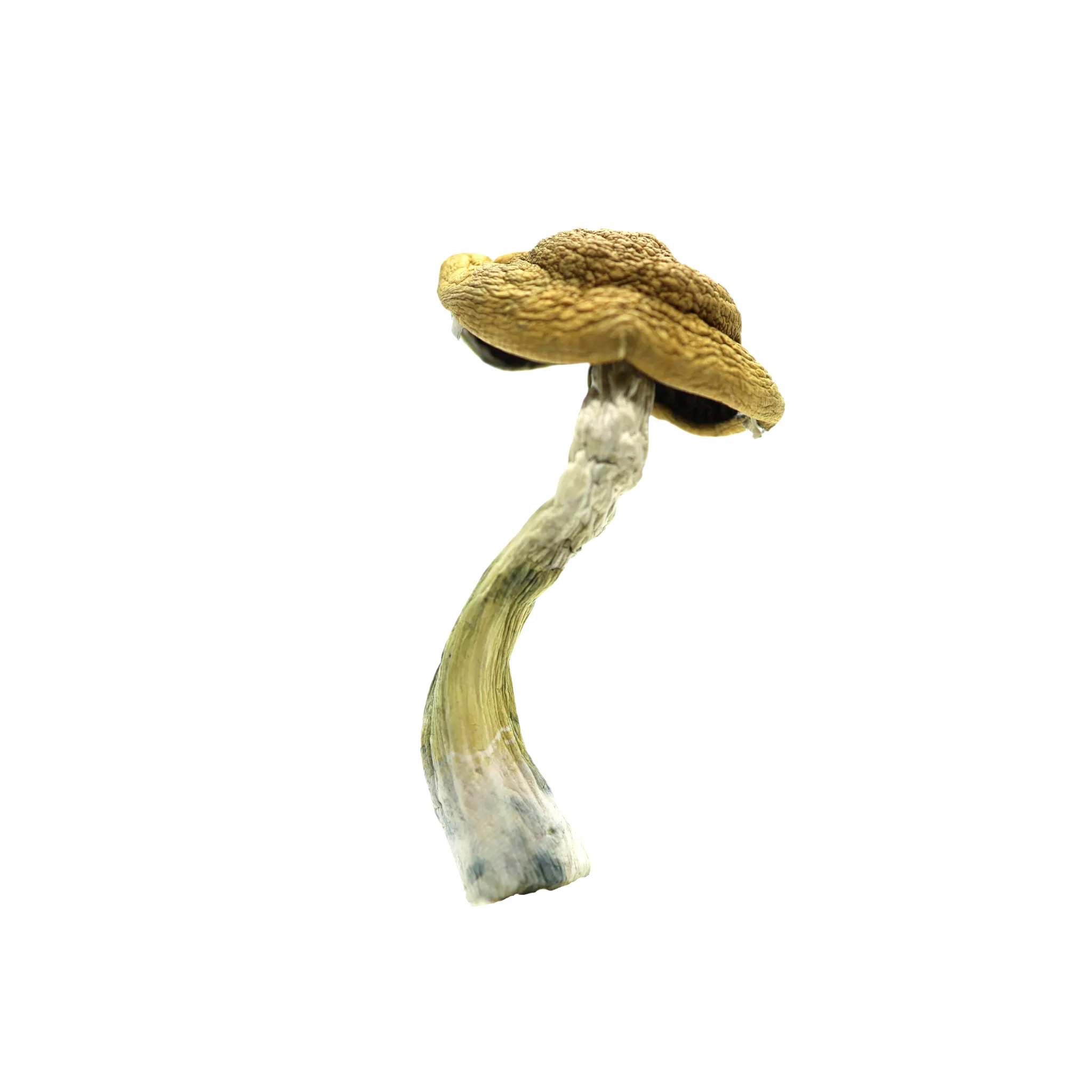
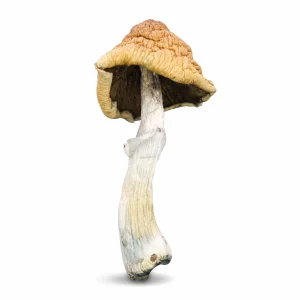
Buy Amazonian Magic Mushrooms Germany. “Amazonian” typically refers to a strain of the species Psilocybe cubensis, a naturally occurring fungus known for producing the psychoactive compounds psilocybin and psilocin. These compounds can alter perception, mood, and cognition, leading to what users describe as a “psychedelic” experience.
Strains labeled “Amazonian” are often associated (in cultivation lore) with origins in the Amazon basin, though today most are cultivated globally. It’s important to note that potency can vary widely across batches and environments.
How Psilocybin Affects the Brain
Psilocybin is converted in the body to psilocin, which interacts with serotonin receptors—especially the 5-HT2A receptor—affecting perception, emotion, and sense of self.
Common reported effects include:
- Visual and auditory alterations
- Changes in time perception
- Heightened introspection or emotional sensitivity
- A sense of connectedness or, conversely, anxiety
Research within psychedelic research suggests these effects may be linked to temporary changes in brain network activity (e.g., reduced default mode network coherence).
Current Scientific Research
In recent years, institutions such as Johns Hopkins University and Imperial College London have studied psilocybin-assisted therapy in controlled settings.
Areas under investigation include:
- Depression (including treatment-resistant depression)
- Anxiety related to serious illness
- Substance use disorders
Early findings are promising, but these studies are conducted under strict medical supervision, screening, and therapeutic support. They are not equivalent to unsupervised use.
Legal Status in Germany
In Germany, psilocybin and psilocin are controlled substances under the Narcotics Act (BtMG). This means:
- Possession, sale, and distribution are illegal
- Cultivation of psilocybin-containing mushrooms is illegal
- Penalties can include fines or imprisonment
Legal exceptions exist only for approved scientific or medical research. Laws can change, so it’s wise to consult current legal sources if you need up-to-date details.
Risks and Safety Considerations
Psychedelic substances can carry significant risks, especially outside controlled environments:
Psychological risks
- Acute anxiety or panic (“bad trips”)
- Confusion or impaired judgment
- Potential to exacerbate underlying mental health conditions (e.g., psychosis)
Physical considerations
- Nausea, dizziness, increased heart rate
- Risk of accidents due to impaired coordination and perception
Variability
- Potency varies widely; dosing is unpredictable
- Misidentification of wild mushrooms can be dangerous (some species are toxic or lethal)
Harm-Reduction Basics (Informational)
While abstinence is the only way to avoid risk, general harm-reduction principles discussed in public health contexts include:
- Avoid mixing with alcohol or other drugs
- Do not drive or operate machinery
- Be aware of personal and family mental health history
- Seek immediate help if severe distress occurs
If someone is in acute distress, contacting local emergency services is appropriate.
Cultural and Historical Context
Psychoactive mushrooms have a long history in various cultures, particularly in parts of Mesoamerica, where they were used in ceremonial contexts. Modern interest has shifted toward clinical research and debates around regulation.
Non-Psychoactive Alternatives
For readers interested in mushrooms without psychoactive effects, “functional mushrooms” are often discussed in wellness contexts, such as:
- Lion’s mane
- Reishi
- Cordyceps
These do not contain psilocybin and are legal in many regions, including Germany, when sold as food or supplements (subject to regulations).
Frequently Asked Questions (FAQs)
Are “Amazonian” mushrooms stronger than other types?
Potency varies widely by growing conditions and genetics. Labels like “Amazonian” don’t guarantee a specific strength.
Is psilocybin legal in Germany?
No. It is a controlled substance; possession and distribution are illegal outside approved research.
Is there medical use in Germany?
Use is limited to authorized research settings. Therapeutic applications are still under study.
Are there safer alternatives?
Non-psychoactive functional mushrooms are legal and widely available, though they have different effects and evidence bases.
Final Thoughts
Interest in psilocybin—often including strains labeled “Amazonian”—is growing due to ongoing research and cultural attention. However, in Germany the legal framework is clear, and unsupervised use carries real risks. For those curious, focusing on education, current research, and legal awareness is the most responsible path forward.
| Quantity | 14 Grams, 28 Grams, 56 Grams |
|---|
Be the first to review “Amazonian Magic Mushrooms Germany”
Related products
Magic Mushrooms Germany
Magic Mushrooms Germany
Magic Mushrooms Germany
Magic Mushrooms Germany
Magic Mushrooms Germany
Magic Mushrooms Germany
Magic Mushrooms Germany
Magic Mushrooms Germany
Reviews
There are no reviews yet.