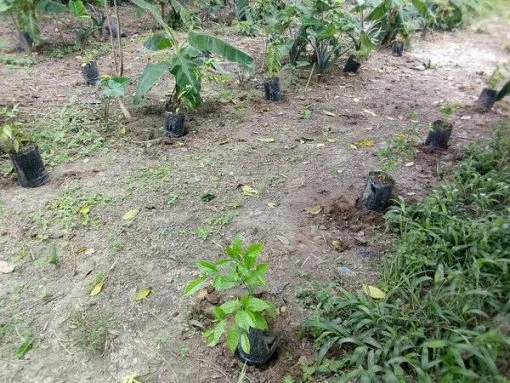


Buy Iboga Nursery Plants Europe – Guide to Cultivation, Botanical Background & FAQs
Buy Iboga Nursery Plants Europe. Iboga pot nursery cultivation has attracted growing interest among botanical collectors, ethnobotanical researchers, and tropical plant enthusiasts in Europe. The plant Tabernanthe iboga is a rare tropical shrub native to Central Africa and is known for its cultural, ceremonial, and ethnobotanical significance.
This Iboga Nursery Plants Europe article explains:
- What iboga nursery plants are
- Botanical characteristics of iboga
- Growing conditions and cultivation basics
- Nursery care considerations in Europe
- Legal and ethical considerations
- Frequently asked questions
What Is Iboga?
Tabernanthe iboga is a tropical evergreen shrub native to:
- Gabon
- Cameroon
- Republic of the Congo
- Other parts of Central Africa
The plant belongs to the Apocynaceae family and is recognized for:
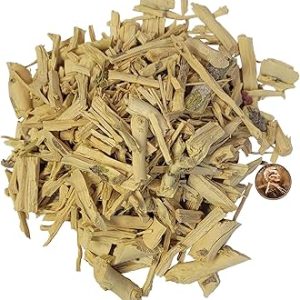
- Its distinctive root bark
- Cultural significance in Bwiti traditions
- Presence of naturally occurring alkaloids such as ibogaine
Iboga is also appreciated by collectors for its rarity and unique ethnobotanical history.
What Is an Iboga Pot Nursery?
An iboga pot nursery generally refers to:
- Young potted iboga plants
- Seedlings cultivated for botanical or ornamental purposes
- Controlled nursery-grown tropical specimens
These plants are often maintained in:
- Greenhouses
- Tropical indoor growing environments
- Controlled humidity conditions
Because iboga is a tropical species, cultivation outside Central Africa requires specialized environmental management.
Botanical Characteristics of Iboga
Iboga plants typically feature:
- Glossy green leaves
- Woody stems
- Compact shrub growth
- Tropical evergreen characteristics
Under suitable conditions, mature plants may produce:
- Yellowish or cream-colored flowers
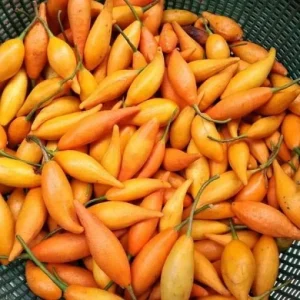
- Orange fruit structures
- Extensive root systems
Growth rate varies depending on:
- Temperature
- Humidity
- Soil quality
- Lighting conditions
Growing Iboga in Europe
Cultivating iboga in Europe can be challenging because the plant naturally thrives in warm, humid rainforest climates.
Common nursery requirements include:
Warm Temperatures
Iboga generally prefers:
- Stable warmth
- Frost-free environments
- Tropical greenhouse conditions
Humidity
The plant benefits from:
- Moderate to high humidity
- Controlled moisture levels
- Protection from excessively dry indoor air
Soil Conditions
Growers often use:
- Well-draining soil mixes
- Organic-rich substrates
- Slightly acidic growing mediums
Lighting
Iboga may prefer:
- Bright indirect light
- Filtered sunlight
- Protection from harsh direct exposure in some environments
Indoor and Greenhouse Cultivation
Because European climates vary greatly, many collectors use:
- Indoor grow setups
- Conservatories
- Tropical greenhouses
- Controlled humidity tents
Cold temperatures can stress tropical plants significantly.
Botanical and Ethnobotanical Interest
Iboga has attracted attention from:
- Ethnobotanical researchers
- Tropical plant collectors
- Botanical gardens
- Academic researchers studying traditional Central African plants
Its cultural and ceremonial significance contributes to ongoing international interest.
Challenges of Iboga Cultivation
Growing iboga can be difficult due to:
- Slow growth rates
- Sensitivity to cold
- Humidity requirements
- Root sensitivity
- Limited seed availability in some regions
Nursery care often requires patience and environmental consistency.
Sustainability and Conservation
Because wild iboga populations face environmental pressure in some regions, sustainable cultivation and ethical sourcing are important considerations.
Conservation concerns may include:
- Habitat loss
- Overharvesting
- Pressure on native ecosystems
Responsible cultivation practices help reduce environmental impact.
Legal Considerations Of Iboga Nursery Plants Europe
The legal status of iboga plants and ibogaine-related materials varies across Europe.
Depending on the country:
- Cultivation may be unrestricted
- Alkaloid extraction may be regulated
- Importation may face restrictions
Laws differ significantly between jurisdictions.
Safety Considerations
Although this article focuses on botanical cultivation, it is important to recognize that iboga contains bioactive alkaloids.
Potential concerns associated with exposure to ibogaine-containing materials may include:
- Cardiovascular effects
- Neurological effects
- Drug interactions
Proper caution and legal awareness are important.
FAQs
What is an iboga pot nursery?
It refers to potted iboga plants or seedlings cultivated in nursery or greenhouse conditions.
What plant species is iboga?
Iboga comes from Tabernanthe iboga, a tropical shrub native to Central Africa.
Can iboga be grown in Europe?
Yes, but it usually requires controlled tropical conditions such as greenhouses or indoor cultivation setups.
What temperatures does iboga prefer?
Iboga generally prefers warm, frost-free tropical conditions.
Does iboga need humidity?
Yes. Moderate to high humidity is typically beneficial for healthy growth.
Is iboga difficult to grow?
It can be challenging because of slow growth, climate sensitivity, and tropical care requirements.
Why is iboga culturally important?
Iboga has historical ceremonial significance in certain Central African spiritual traditions, including Bwiti practices.
Are iboga plants legal in Europe?
Legal status varies depending on country-specific laws and regulations.
Why is sustainable cultivation important?
Sustainable cultivation helps reduce pressure on wild plant populations and supports conservation efforts.
Can iboga be grown indoors?
Yes. Many European growers use indoor or greenhouse cultivation systems to maintain suitable tropical conditions.


Reviews
There are no reviews yet.