
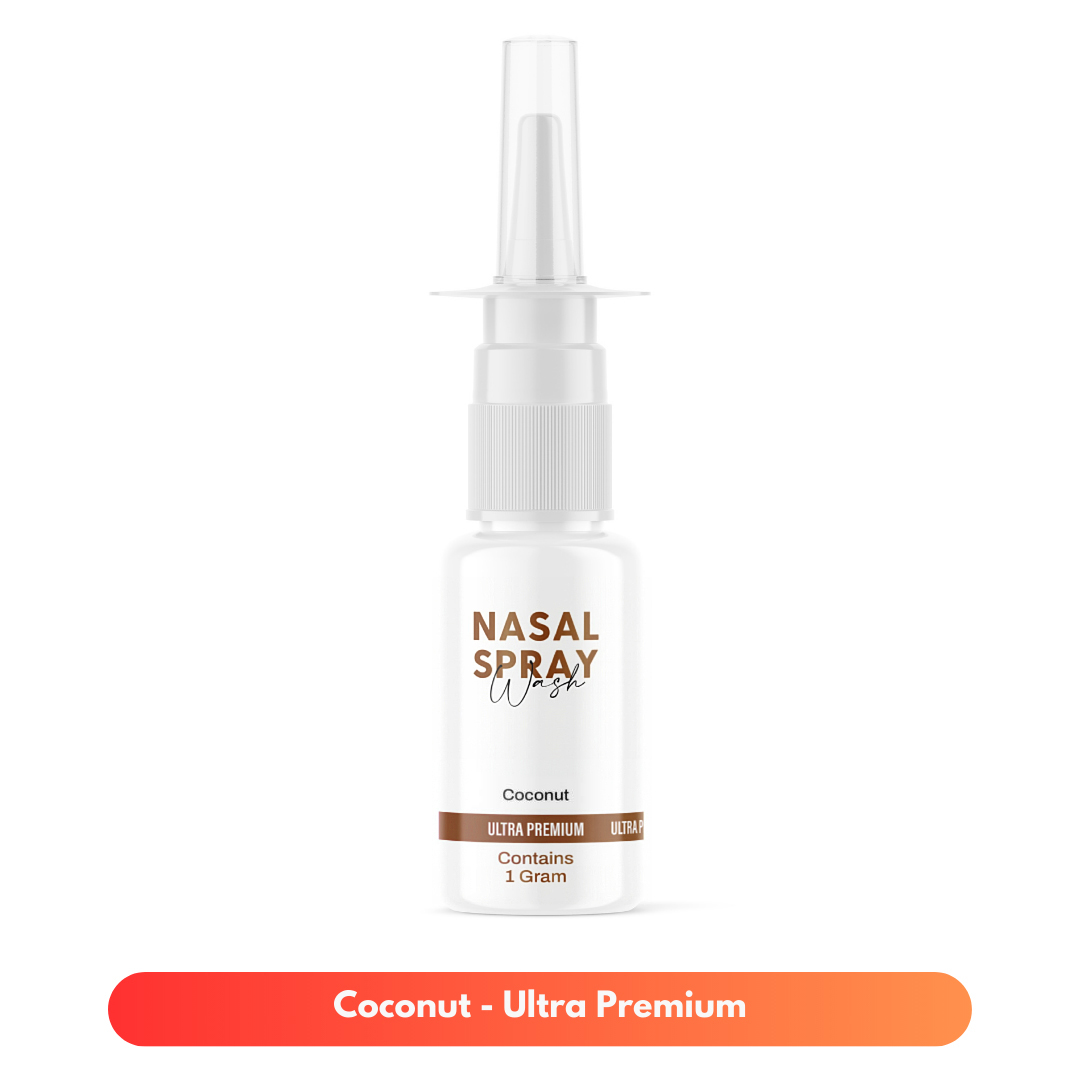

Cocaine Coconut Nasal Spray Europe (Ultra Premium)
Buy Cocaine Nasal Sprays in Europe
Buy Cocaine Coconut Nasal Spray Europe.Cocaine nasal spray products and intranasal stimulant delivery systems are topics frequently discussed in toxicology, emergency medicine, addiction science, and public health research across Europe. Researchers study these substances because intranasal administration can rapidly deliver stimulant compounds into the bloodstream, increasing both intensity of effects and health risks.
This educational article explains:
- What cocaine nasal sprays are
- How intranasal delivery works
- Public health concerns in Europe
- Toxicological and cardiovascular risks
- Addiction and dependency concerns
- Harm-reduction and safety awareness
- Frequently asked questions
What Is a Cocaine Nasal Spray?
A cocaine nasal spray generally refers to a liquid formulation designed for intranasal delivery of cocaine or cocaine-derived compounds. Intranasal delivery allows substances to be absorbed through nasal tissues and enter circulation rapidly.
In medical and scientific contexts, researchers study intranasal drug delivery because it:
- Produces rapid onset effects
- Bypasses parts of digestive metabolism
- Can alter bioavailability and absorption speed
However, non-medical stimulant use carries significant health and legal risks.
Cocaine and the Central Nervous System
Cocaine is classified as a powerful stimulant affecting the:
- Dopamine system
- Norepinephrine pathways
- Central nervous system
Researchers study cocaine because it strongly influences:
- Reward pathways
- Alertness and stimulation
- Cardiovascular activity
- Behavioral responses
How Intranasal Delivery Works
The nasal cavity contains blood vessels that allow certain compounds to be absorbed relatively quickly.
Intranasal delivery may:
- Increase onset speed
- Intensify stimulant effects
- Increase cardiovascular strain
- Raise overdose risks
Researchers monitor intranasal stimulant use due to its potential impact on:
- Nasal tissue health
- Respiratory function
- Cardiovascular stress
Public Health Concerns in Europe
European public health agencies monitor stimulant misuse because of:
- Rising synthetic stimulant availability
- Drug contamination concerns
- Cardiovascular emergencies
- Increasing addiction treatment demand
Forensic and toxicology laboratories continue studying:
- Cocaine analogs
- Drug purity variations
- Adulterants and contaminants
- Detection methodologies
Health Risks Associated With Cocaine Use
Healthcare professionals warn that cocaine use may contribute to serious medical complications.
Cardiovascular Risks
Potential risks include:
- Elevated heart rate
- Increased blood pressure
- Arrhythmias
- Heart attack risk
- Stroke risk
Neurological Effects
Reported neurological concerns may include:
- Anxiety
- Agitation
- Panic reactions
- Seizures
- Paranoia
Nasal and Respiratory Damage
Repeated intranasal stimulant exposure may damage:
- Nasal tissue
- Sinus lining
- Blood vessels
- Respiratory pathways
Addiction and Dependency Concerns
Cocaine has high addiction potential because it strongly affects dopamine reward pathways.
Researchers study:
- Dependency patterns
- Behavioral reinforcement
- Craving mechanisms
- Long-term neurological changes
Addiction specialists emphasize the importance of:
- Early intervention
- Mental health support
- Substance use treatment resources
Drug Contamination Risks
One major concern in Europe and globally is the presence of adulterants in illicit stimulant products.
Contaminants may include:
- Unknown synthetic compounds
- Local anesthetics
- Toxic cutting agents
- Potent opioids in some reported cases
This unpredictability significantly increases overdose and toxicity risks.
Toxicology and Forensic Research
Scientists study cocaine and intranasal stimulant formulations to improve:
- Drug detection methods
- Emergency medical response
- Toxicology screening
- Public health monitoring systems
Research areas include:
- Pharmacokinetics
- Behavioral neuroscience
- Cardiovascular toxicity
- Addiction medicine
Harm-Reduction Awareness
Public health experts emphasize:
- Avoiding unknown substances
- Understanding contamination risks
- Seeking immediate help during medical emergencies
- Accessing addiction support services when needed
Warning signs requiring urgent medical attention may include:
- Chest pain
- Difficulty breathing
- Severe anxiety or confusion
- Loss of consciousness
- Seizure activity
Legal Status in Europe
Cocaine is illegal in most European countries outside limited medical and scientific contexts.
Penalties may involve:
- Criminal prosecution
- Financial penalties
- Import/export violations
- Controlled substance offenses
Regulations vary depending on national laws and jurisdiction.
Why Cocaine Research Continues
Researchers continue studying stimulant substances to:
- Improve addiction treatment
- Develop public health responses
- Enhance emergency medicine protocols
- Understand neurological effects
This research supports:
- Healthcare professionals
- Toxicology laboratories
- Public health agencies
- Addiction specialists
FAQs
What is a cocaine nasal spray?
It refers to a liquid stimulant formulation intended for intranasal delivery.
Why is intranasal delivery studied?
Researchers study it because substances can be absorbed rapidly through nasal tissues.
What are the risks of cocaine use?
Potential risks include:
- Cardiovascular complications
- Neurological effects
- Addiction
- Respiratory and nasal damage
Why is cocaine considered addictive?
It strongly affects dopamine reward pathways in the brain.
Can cocaine affect the heart?
Yes. It may increase heart rate, blood pressure, and cardiovascular stress.
Why are contaminated stimulant products dangerous?
Unknown adulterants may significantly increase toxicity and overdose risk.
Are intranasal stimulants harmful to nasal tissue?
Repeated exposure may damage nasal passages and surrounding tissues.
Is cocaine legal in Europe?
In most European countries, cocaine is illegal outside limited medical or scientific use.
Why do toxicology laboratories study cocaine?
To improve:
- Drug detection
- Emergency response
- Public health monitoring
- Addiction research
Why is education about stimulant risks important?
Educational awareness supports:
- Harm reduction
- Public safety
- Better healthcare outcomes
- Informed decision-making
| Quantity | 1 gram, 2 grams |
|---|
Be the first to review “Cocaine Coconut Nasal Spray Europe”
Related products
Cocaine For Sale Germany

Cocaine For Sale Germany

Cocaine For Sale Germany

Cocaine For Sale Germany
Cocaine For Sale Germany
Cocaine For Sale Germany
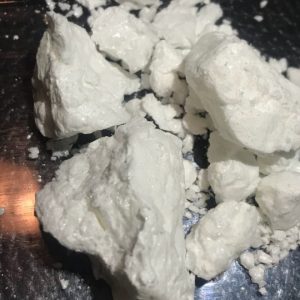
Cocaine For Sale Germany

Cocaine For Sale Germany
Reviews
There are no reviews yet.