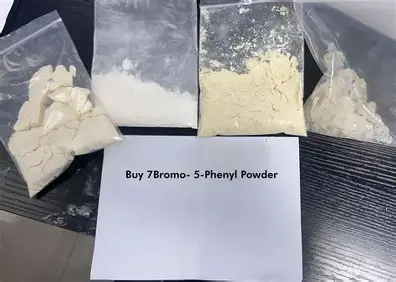
Buy 7-Bromo-5-Phenyl Powder Europe
Buy 7-Bromo-5-Phenyl Powder Europe. 7-Bromo-5-Phenyl compounds are part of a broader category of laboratory-synthesized chemicals that may appear in research, analytical chemistry, or emerging psychoactive substance discussions. In Europe and internationally, interest in novel synthetic compounds has increased due to the rapid growth of experimental chemical markets and new psychoactive substances (NPS).
This 7-Bromo-5-Phenyl Powder Europe article explains:
- What 7-Bromo-5-Phenyl compounds are
- Their research and chemical context
- Potential risks and uncertainties
- Public health concerns surrounding novel compounds
- Harm-reduction awareness
- Frequently asked questions
What Is 7-Bromo-5-Phenyl?
The term “7-Bromo-5-Phenyl” generally refers to part of a chemical naming structure used in synthetic organic chemistry. Compounds containing:
- Bromine substitutions (“Bromo”)
- Phenyl groups
are commonly encountered in:
- Pharmaceutical research
- Medicinal chemistry
- Experimental laboratory synthesis
- Novel psychoactive substance investigations
The exact properties depend heavily on the complete molecular structure, which determines how the compound interacts with biological systems.
Order Research Chemical in Europe
Across Europe, authorities and toxicology laboratories continue monitoring:
- Novel synthetic compounds
- Research chemicals
- Unregulated psychoactive substances
One challenge is that many emerging compounds:
- Have limited scientific literature
- Lack human safety studies
- Appear rapidly in online markets
- May be mislabeled or inconsistently identified
As a result, public health agencies often warn about unknown powders or poorly documented chemicals.
Why Novel Powders Can Be Risky
Unidentified or experimental powders carry substantial uncertainty because:
1. Limited Toxicology Data
Many compounds have:
- No long-term human research
- Minimal clinical safety information
- Unknown interaction profiles
2. Uncertain Purity
Unregulated powders may contain:
- Residual solvents
- Contaminants
- Misidentified substances
- Multiple compounds mixed together
3. Unknown Potency
Even closely related chemical structures can produce dramatically different biological effects.
4. Lack of Quality Control
Unlike regulated pharmaceutical manufacturing, illicit or gray-market substances may not follow standardized production protocols.
Potential Health Concerns
Depending on the exact compound involved, potential concerns may include:
- Neurological effects
- Cardiovascular strain
- Anxiety or agitation
- Sedation or confusion
- Organ toxicity risks
- Unpredictable psychoactive effects
Without verified laboratory analysis, it is impossible to accurately predict effects or safety.
Novel Psychoactive Substances (NPS) in Europe
European monitoring agencies have identified hundreds of NPS compounds over the last decade, including:
- Synthetic cannabinoids
- Novel stimulants
- Designer benzodiazepines
- Experimental hallucinogens
- Research chemical analogues
Many are sold online under misleading or incomplete names, creating additional risk.
Importance of Laboratory Testing
Forensic and analytical testing is critical because:
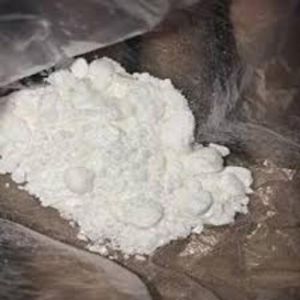
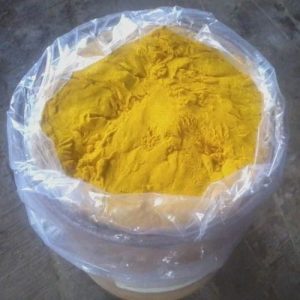
- Appearance does not confirm identity
- Similar names may refer to different substances
- Mislabeling is common
Professional laboratory analysis may involve:
- Mass spectrometry
- Chromatography
- Spectroscopic identification
Harm Reduction Awareness
Educational harm-reduction organizations commonly recommend:
- Avoid unknown powders or unidentified chemicals
- Be cautious of mislabeled research substances
- Never assume purity based on appearance
- Seek medical attention immediately if adverse reactions occur
Emergency warning signs include:
- Chest pain
- Difficulty breathing
- Severe confusion
- Seizures
- Loss of consciousness
Legal Status in Europe
The legal status of novel synthetic compounds varies across Europe.
Some substances may fall under:
- Controlled substance laws
- Analogue legislation
- Psychoactive substance regulations
- Customs and import restrictions
Because laws change frequently, legal classification may vary by country.
Scientific and Public Health Challenges
Novel compounds present ongoing challenges for:
- Toxicologists
- Emergency medicine professionals
- Public health agencies
- Law enforcement laboratories
Rapid emergence of new analogues often outpaces formal scientific research.
FAQs
What is 7-Bromo-5-Phenyl powder?
It refers to a chemical naming structure commonly associated with synthetic laboratory compounds or research chemicals.
Is 7-Bromo-5-Phenyl a pharmaceutical drug?
Not necessarily. The exact identity and use depend on the full chemical structure and context.
Why are unknown powders risky?
Unknown powders may contain contaminants, incorrect substances, or compounds with little or no human safety data.
Are novel research chemicals common in Europe?
Yes. European monitoring agencies regularly identify emerging synthetic compounds and new psychoactive substances.
Can appearance confirm purity or identity?
No. Powders cannot be accurately identified by color or appearance alone.
Why is laboratory testing important?
Professional testing helps determine:
- Chemical identity
- Purity
- Presence of contaminants
- Potential toxic compounds
Are research chemicals legal in Europe?
Legal status varies widely depending on the compound and country-specific laws.
What are common concerns with experimental compounds?
Concerns may include:
- Unknown toxicity
- Unpredictable effects
- Mislabeling
- Lack of medical research
What should someone do in a medical emergency?
Seek immediate emergency medical attention if symptoms such as seizures, chest pain, breathing difficulty, or loss of consciousness occur.
Why do new synthetic compounds keep appearing?
New compounds are often created to bypass existing regulations or explore experimental chemical modifications.


Reviews
There are no reviews yet.